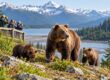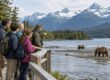
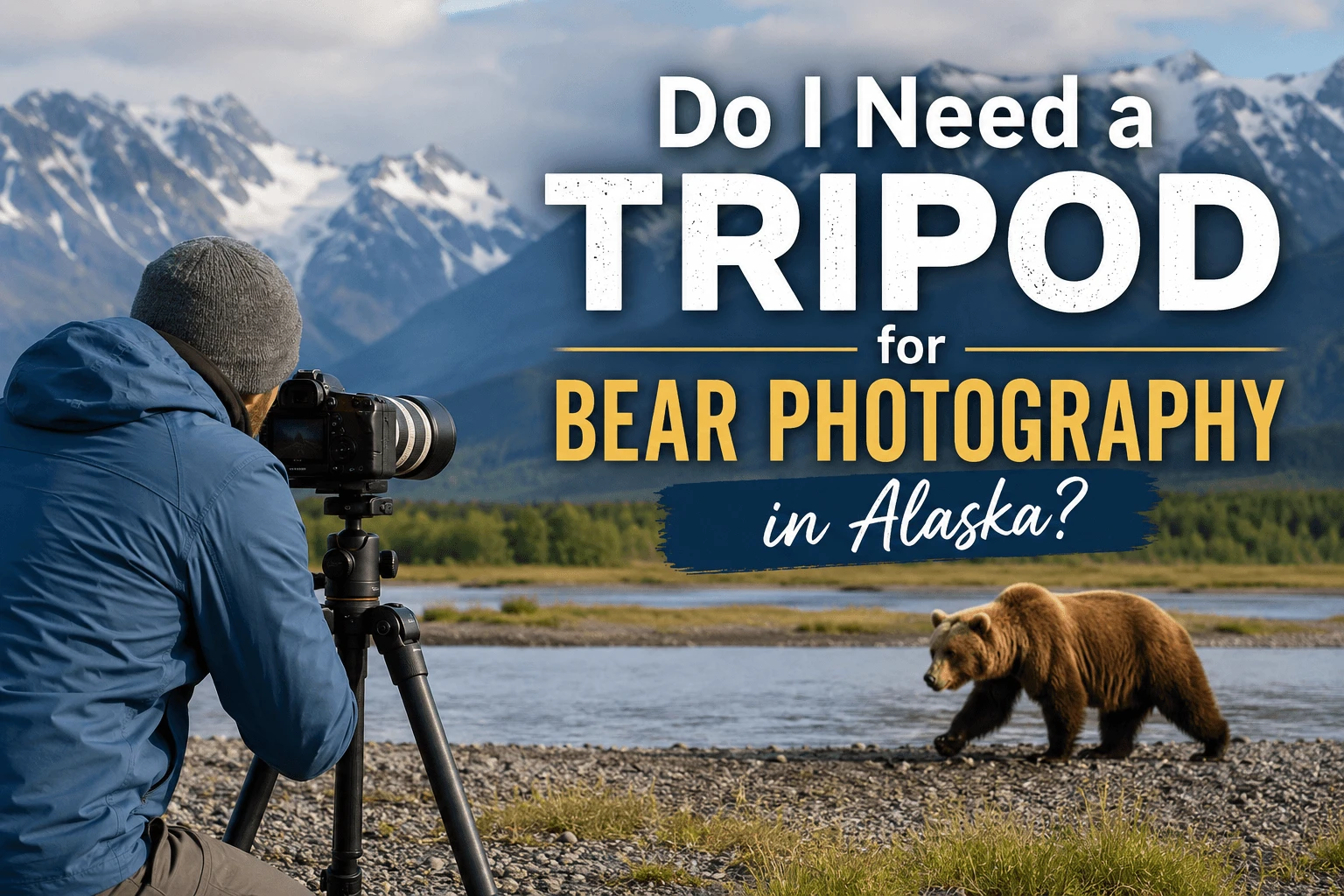
Capturing memorable wildlife photos is one of the highlights of any bear viewing Alaska experience. Before packing your camera gear, however, many first-time visitors ask the same question:
Do I really need to bring a tripod?
For many Alaska bear viewing trips, a tripod can be useful in certain situations, but it is not always essential. Understanding when a tripod helps and when it can become a burden will help you pack more efficiently.
When Is a Tripod Useful?
It can be particularly helpful for:
- photographing bears from fixed viewing platforms
- using heavy telephoto lenses
- capturing landscape and wildlife scenes together
- shooting in early morning or evening light
If your goal is high-quality wildlife photography, a tripod can improve image sharpness during stationary viewing sessions.
For additional equipment recommendations, internally link to “Camera Gear for Bear Photography: A Buyer’s Guide.”
When Might You Not Need a Tripod?
In these situations, constantly setting up and carrying a tripod can slow you down.
You may not need one if:
- you’re using a lightweight zoom lens
- your camera has built-in image stabilization
- you’re photographing from a boat
- you prefer handheld photography
Many experienced wildlife photographers successfully photograph bears handheld, particularly during daylight hours.
Are Tripods Allowed on Bear Viewing Tours?
However, whether using a tripod is practical depends on the viewing location and group size.
On some tours:
- viewing platforms have limited space
- narrow trails require easy movement
- guides may ask visitors to reposition quickly
Large tripods can occasionally become inconvenient in crowded viewing areas.
If you’re joining one of the smaller Alaskan brown bear tours, ask your operator in advance whether tripod use is recommended.
Is a Monopod a Better Alternative?
A monopod can:
- reduce camera shake
- support heavier lenses
- move quickly with changing wildlife activity
- take up less space than a tripod
This makes it a popular option for photographers who expect bears to remain active rather than stationary.
Does the Type of Tour Matter?
Fly-In Bear Viewing Tours
Boat-Based Tours
Many photographers prefer handheld shooting or image-stabilized lenses during boat excursions.
Learn more by linking to “Why Boat-Based Bear Viewing Offers a Different Experience Than Land Tours.”
What Camera Settings Can Reduce the Need for a Tripod?
These include:
- image stabilization
- faster shutter speeds
- higher ISO performance
- continuous autofocus
Using these settings often produces excellent wildlife images without carrying additional equipment.
Should Beginners Bring a Tripod?
Rather than carrying excessive equipment, many beginners benefit from focusing on:
- learning camera settings
- following guide instructions
- observing bear behavior
- practicing composition
A lightweight setup is often easier to manage while enjoying the experience.
For photography advice, internally link to “Snap the Perfect Shot: Your Guide to Photographing Bears in Alaska.”
Common Questions About Tripods
Will a tripod improve every wildlife photo?
Are tripods practical on boats?
Should I rent a tripod for my trip?
Can I take sharp photos without a tripod?
Final Thoughts
The best choice depends on your photography goals, camera equipment, and the type of wildlife experience you’ve booked. Many visitors capture exceptional images using lightweight gear and good camera technique.
Planning your next wildlife photography adventure?
Get in touch today to learn more about professionally guided Alaska bear viewing trips and find the experience that’s right for you.