
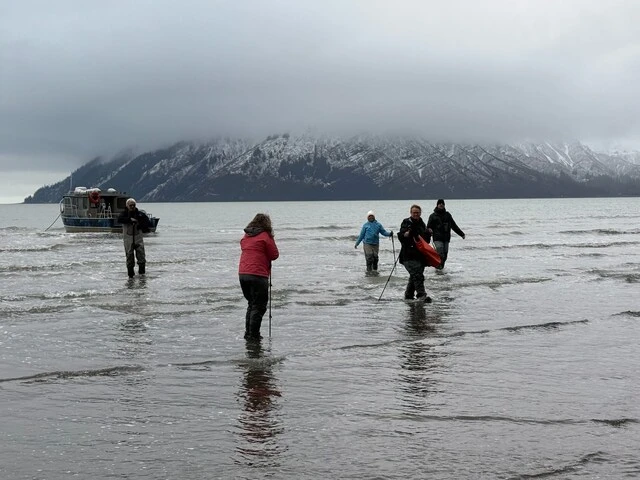
One of the most common questions travelers ask before booking a bear viewing Alaska experience is:
How much of the tour is actually spent watching bears?
It’s a reasonable question. Many visitors see a tour advertised as a full-day experience and wonder how much of that time involves transportation, safety briefings, and logistics versus actual wildlife viewing.
The answer depends on the tour location, transportation method, weather conditions, and bear activity. However, most guided Alaska bear viewing trips are designed to maximize viewing opportunities once guests arrive at the bear habitat.
Let’s break down what you can realistically expect.
How Long Do You Usually Spend Watching Bears?
On many day tours in Alaska, visitors spend approximately 2 to 5 hours actively observing bears once they reach the viewing area.
The total tour may last:
- 6 to 10 hours for day trips
- Half a day for some boat-based excursions
- Multiple days for extended wildlife adventures
The amount of actual bear viewing time depends largely on how remote the destination is and how long it takes to get there.
Why Doesn't a Full-Day Tour Mean Eight Hours of Bear Viewing?
Many of Alaska’s best bear viewing locations are remote wilderness areas.
Visitors often need to travel by:
- Float Plane
- Bush Plane
- Boat
- Guided Ground Transportation
For example, reaching locations near Lake Clark National Park and Preserve or Katmai National Park and Preserve may require flights from coastal communities before viewing begins.
While travel takes time, it is often part of the experience. Many guests enjoy aerial views of Alaska’s mountains, glaciers, rivers, and coastline along the way.
For destination planning, consider linking to “Lake Clark National Park: Your Next Destination for Bear Viewing.”
What Happens Once You Reach the Viewing Area?
Once you arrive, the focus shifts almost entirely to wildlife observation.
A typical viewing period may include:
- Watching bears fish for salmon
- Observing mothers with cubs
- Photographing feeding behaviour
- Learning about bear ecology from guides
Unlike zoo visits, wildlife viewing follows the bears’ schedule rather than a fixed itinerary.
Guides generally allow ample time for observation rather than rushing visitors through the experience.
Do Some Tours Offer More Viewing Time Than Others?
Yes.
Several factors influence viewing duration.
Fly-In Bear Viewing Tours
These tours often provide:
- 3 to 5 hours of viewing time
- Access to remote habitats
- Smaller group sizes
Boat-Based Tours
These may include:
- Viewing From the Water
- Wildlife Observation Along Shorelines
- Varying Viewing Times Depending on Conditions
You can internally link to “Why Boat-Based Bear Viewing Offers a Different Experience Than Land Tours.”
Multi-Day Wildlife Trips
Extended trips may provide significantly more opportunities to observe bears across multiple locations and times of day.
Does the Time of Year Affect Viewing Time?
The season can influence how active bears are and how much there is to observe.
During peak salmon runs, bears may spend long periods feeding near rivers and streams.
This can create excellent viewing opportunities because bears often remain in visible areas for extended periods.
To learn more, internally link to “Best Time for Bear Viewing in Alaska: Alaska’s Peak Bear-Viewing Seasons.”
What If Bears Aren't Visible Immediately?
This is where professional guides make a difference.
Experienced guides monitor:
- Recent Bear Activity
- Feeding Locations
- Tide Conditions
- Weather Patterns
Rather than waiting in one place unnecessarily, guides may reposition groups when appropriate and safe.
This is one reason many travelers choose guided tours over independent wildlife viewing.
For more information, consider linking to “Why Guided Bear Viewing Tours in Alaska Offer Better Wildlife Experiences.”
Is More Viewing Time Always Better?
Not necessarily.
Many first-time visitors assume longer viewing periods automatically create better experiences.
In reality, quality often matters more than quantity.
Two hours spent watching multiple bears fish, interact, and move naturally can be more memorable than spending an entire day in an area with little wildlife activity.
The best tours focus on providing meaningful wildlife encounters rather than simply extending the schedule.
Final Thoughts
When booking Alaskan brown bear tours, it is important to look beyond the total tour length and understand how much time is typically spent in active bear habitat.
Most visitors find that a few hours of focused wildlife observation provide an unforgettable experience, especially when supported by experienced guides and access to prime viewing locations.
Want to learn more about planning your next wildlife adventure? Get in touch today to explore professionally guided Alaska bear viewing trips and find the experience that best fits your schedule.