For many travelers planning their first bear viewing in Alaska trip, one question often comes up:
Is this actually safe?
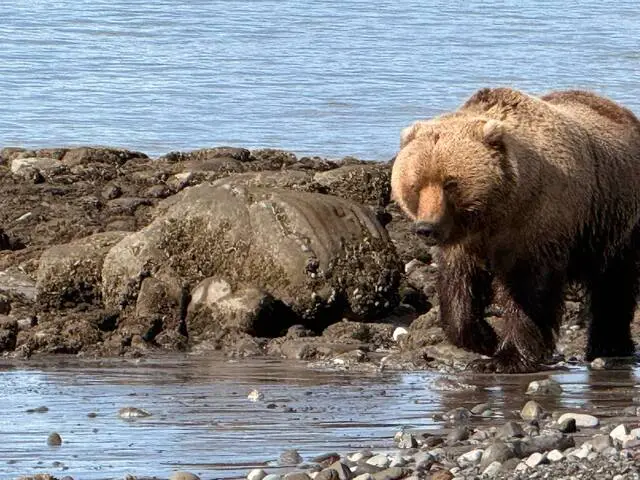
It is a valid concern. You are entering remote wilderness areas to observe wild bears, often in locations without fences, barriers, or traditional tourist infrastructure.
Bear viewing in Alaska is generally very safe for first-time visitors when tours are operated by experienced professionals who follow established wildlife safety protocols and Alaska regulations.
Most safety concerns arise when individuals ignore guidance, attempt to approach wildlife, or explore bear habitats without experienced supervision.
Here’s what first-time visitors should know before booking.
Why are Guided Bear Viewing Tours Safer?
Most reputable Alaska bear viewing trips are designed with safety as the top priority.
Professional guides typically:
- Monitor daily bear activity
- Understand animal behavior patterns
- Choose safe viewing locations
- Adjust routes based on wildlife movement
- Provide safety briefings before tours begin
Many tours operate near areas such as Katmai National Park and Preserve and Lake Clark National Park and Preserve, where wildlife viewing practices are carefully managed to protect both visitors and animals.
If you are researching locations, consider linking to: “where is the best place to see bears in Alaska?”
How Close Do Visitors Get to Bears?
This depends on the viewing location and bear behavior.
Responsible Alaskan brown bear tours do not encourage visitors to get as close as possible. Instead, guides focus on maintaining safe distances while allowing bears to behave naturally.
In some situations, bears may move closer on their own while feeding or traveling through an area.
When this happens, guides carefully manage the group and provide instructions.
The goal is safe observation, not interaction.
What Safety Rules Do Visitors Need to Follow?
Before most tours begin, guides explain important safety expectations.
These often include:
- Stay with your group
- Remain calm and quiet
- Avoid sudden movements
- Never feed wildlife
- Secure food properly
- Follow guide instructions immediately
These practices align with recommendations from the National Park Service and the Alaska Department of Fish and Game.
For additional safety tips, internally link to: “how to stay safe while viewing bears in Alaska: top tips from experts.”
What Happens if a Bear Gets Too Close?
This is one of the most common concerns among first-time visitors.
In reality, trained guides prepare for these situations.
They may:
- Calmly reposition the group
- Remain still
- Allow the bear to pass naturally
- Move guests to another location if needed
In popular viewing areas, bears are often accustomed to seeing guided groups from a safe distance and typically continue normal behavior when people remain calm.
Are Boat Tours Safer Than Land Tours?
Both options can be safe when operated by experienced professionals.
Boat-based tours often create more distance between visitors and bears because guests remain on the water while observing wildlife near shorelines.
Land tours may involve guided walks or fixed viewing areas.
To learn more, internally link to: “why boat-based bear viewing offers a different experience than land tours.”
Is Bear Viewing Safe for Families?
Many tours welcome families, but requirements vary depending on the trip.
Some tours may involve:
- Uneven terrain
- Small aircraft transportation
- Long walking distances
- Weather-related challenges
Parents should always ask operators about age restrictions and physical requirements before booking.
What Should First-Time Visitors Bring?
Being prepared helps make your trip safer and more comfortable.
Pack:
- Waterproof clothing
- Layered clothing
- Sturdy footwear
- Camera equipment
- Binoculars
- Weather protection
Photography travelers may also find this helpful: “camera gear for bear photography: a buyer’s guide.”
Is Self-Guided Bear Viewing Riskier?
Yes.
Trying to locate bears independently can increase risk significantly.
Without professional guidance, visitors may:
- Accidentally enter feeding areas
- Misjudge bear behavior
- Encounter changing weather conditions
- Lack emergency communication support
Guided tours remain the safest option for most first-time visitors.
Quick Questions First-Time Travelers Ask
Do bear attacks happen during tours?
They are extremely rare on professionally guided tours.
Can weather affect tours?
Yes. Flights and boats may be delayed or cancelled due to weather.
Do I need outdoor experience?
No. Most tours are designed for beginners.
Should I bring bear spray?
Follow your tour operator’s recommendations.
Final Thoughts
Bear viewing may feel intimidating for first-time visitors, but guided experiences in Alaska are carefully designed to prioritize safety.
With experienced guides, proper planning, and responsible wildlife viewing practices, visitors can safely enjoy one of Alaska’s most memorable outdoor experiences.
Planning your first trip?
Contact us today to learn more about safe and professionally guided Alaska bear viewing trips.