If you’re planning a trip to Alaska and hoping to catch sight of its famous brown bears, timing is everything.
Bears aren’t out and about all year their activity changes with the seasons, the salmon runs, and even the time of day.
Knowing when they’re most active can make your Alaska bear viewing trips far more rewarding.
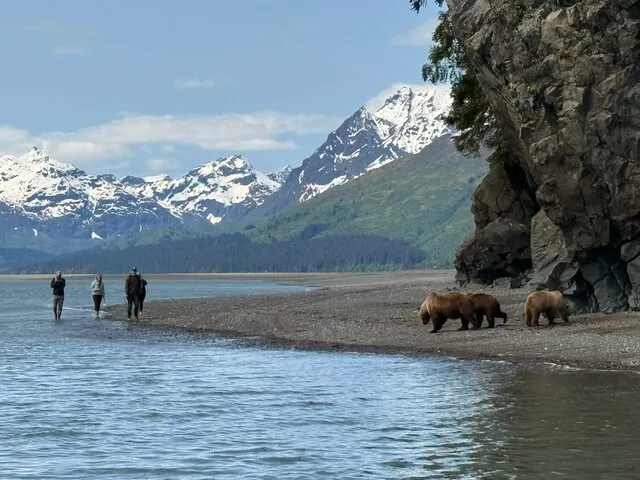
The Seasonal Rhythm of Alaska’s Bears
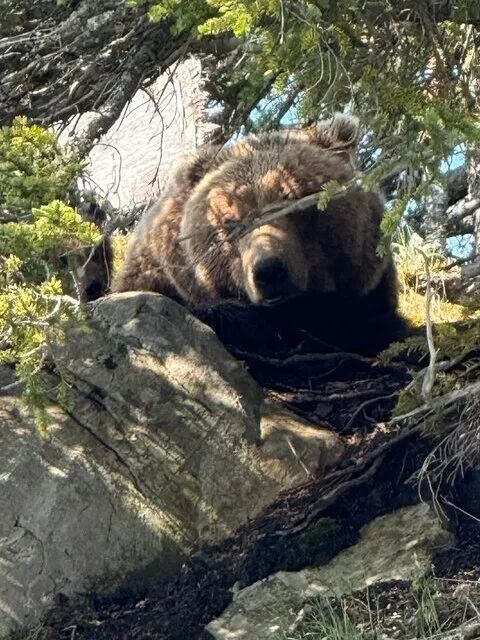
Bears in Alaska follow a clear pattern throughout the year, driven by food availability and daylight hours.
- Spring (May to early June): After hibernation, bears emerge hungry and spend much of their time foraging for roots, grasses, and small mammals. It’s the best time to see them exploring meadows or along riverbanks as they regain strength.
- Summer (June to August): This is peak feeding season especially during salmon runs, when bears congregate along rivers and creeks. If you’ve read our post “Best Time for Bear Viewing in Alaska: Alaska’s Peak Bear-Viewing Seasons“, you’ll know this is when viewing is at its finest.
- Fall (September to early October): Bears enter a feeding frenzy called hyperphagia, eating as much as possible to build fat reserves before hibernation. This makes late summer and early fall another excellent window for Alaskan brown bear tours.
- Winter (Late October to April): Bears retreat into dens for hibernation. While pregnant females give birth during this time, sightings are rare until spring returns.
If you’re curious about safety while observing wildlife, see our Top Frequently Asked Questions About Bear Viewing in Alaska.
Morning or Evening: When Bears Are Most Active Each Day
Bears are typically most active during dawn and dusk a pattern known as crepuscular behavior. During these cooler hours, they’re more likely to be feeding, traveling, or interacting.
Midday hours are often quieter, especially during warm, sunny days when bears rest in shaded areas or near water.
If you’re joining guided Alaska bear viewing trips, many operators schedule outings around these peak activity periods to increase sighting chances.
How Weather and Location Affect Bear Activity
Even within the same region, factors like weather and local salmon runs can change everything.
- Cooler, cloudy days: Bears stay active longer because heat isn’t a concern.
- Warm, sunny days: They may become more nocturnal or rest near rivers.
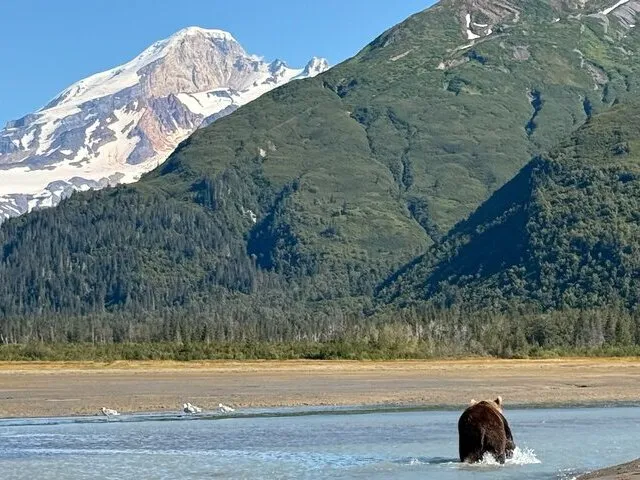
- Different habitats: Coastal brown bears near Katmai or Lake Clark may be seen earlier in the year than interior grizzlies, as snow melts faster along the coast.
If you’re curious about the best months to plan your trip, check out our related post “What Month Are Grizzly Bears Most Active in Alaska?“ it dives deeper into monthly behavior patterns.
Why Understanding Bear Behavior Matters
Knowing when bears are most active isn’t just about spotting them it’s about safety and respect for their habitat.
By learning their rhythms, visitors can enjoy safe distances, avoid stressful encounters for the bears, and witness authentic natural behaviors rather than forced interactions.
Whether you’re capturing photos, exploring riversides, or enjoying guided Alaskan brown bear viewing adventures, aligning your timing with their natural activity ensures a more meaningful experience.
Conclusion: Plan Your Adventure Around the Bears’ Clock
Bear viewing in Alaska is truly a seasonal privilege. By timing your visit during their most active months and hours, you’ll experience the wild at its most alive.
Ready to see Alaska’s incredible bears up close? Book your next adventure with Bear Viewing in Alaska and witness these powerful animals where they belong in the wild.