If you are planning a bear viewing trip in Alaska, one factor matters more than almost anything else: food. What bears eat, and when that food is available, directly affects where bears gather, how active they are, and how likely visitors are to see them.
Among all food sources, salmon runs play the most critical role. Understanding this natural cycle helps explain why some seasons and locations offer far better bear viewing opportunities than others.
What Do Bears Eat in Alaska?
Alaska’s brown bears are omnivores, meaning their diet changes with the seasons. They eat what is most available and energy-rich at different times of the year.
Common foods include:
- Grasses and sedges in spring
- Berries in summer and early autumn
- Roots and plants when available
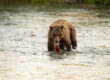
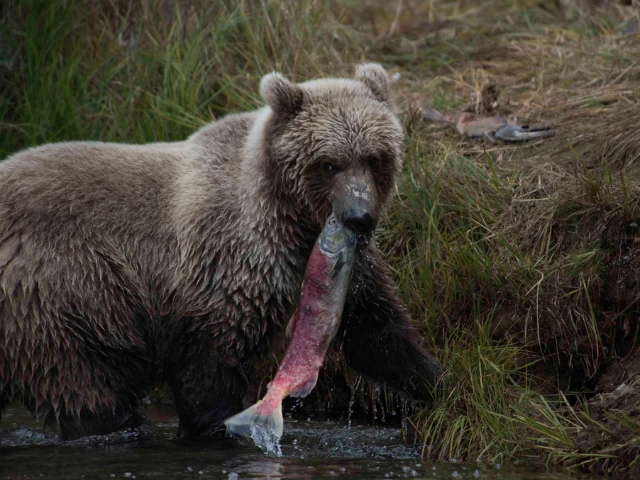
- Fish, especially salmon, during spawning season
- Occasionally small mammals or carrion
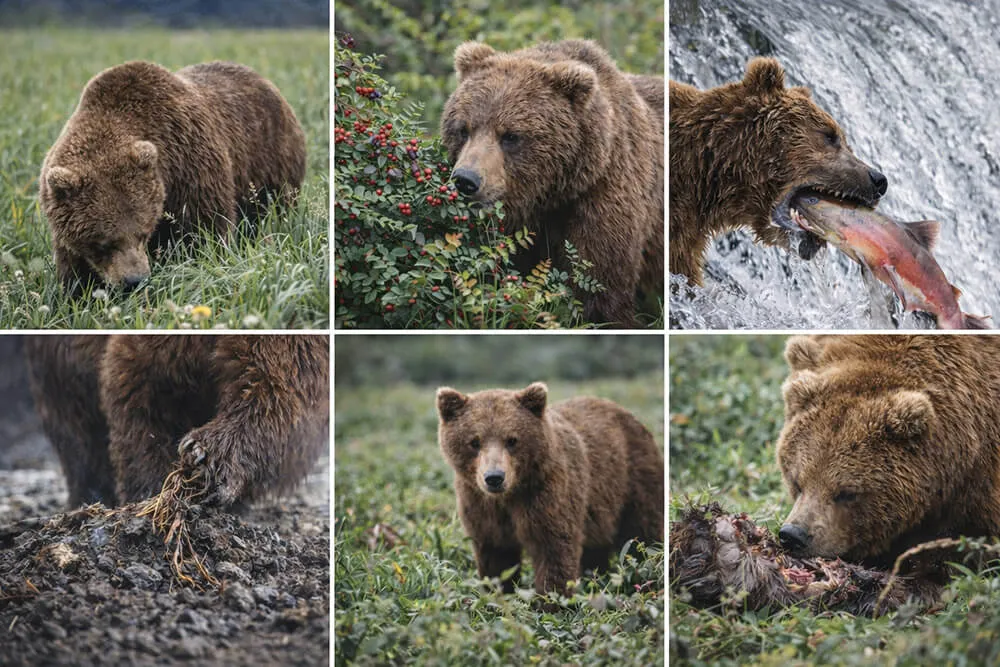
While bears eat many things, salmon provide the highest calorie return for the least effort, making them especially important for survival.
Why Are Salmon So Important to Bears?
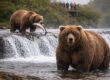
Salmon are rich in fat and protein, which bears need to build energy reserves before winter. During salmon runs, bears can eat dozens of fish per day, dramatically increasing their body weight.
Short answer
Salmon are vital because they allow Alaska’s bears to gain enough fat to survive long winters and hibernation.
This feeding period also answers a common visitor question about How Likely is it to See a Bear in Alaska? as bears are far more visible when concentrated around active salmon streams.
What is a Salmon Run?
A salmon run occurs when adult salmon return from the ocean to freshwater rivers and streams to spawn. In Alaska, these runs typically happen from late spring through early autumn, depending on species and location.
Key things to know:
- Salmon return to the rivers where they were born
- Runs occur at predictable times each year
- Bears learn and return to the same fishing spots annually
- Multiple salmon species extend the feeding season
This predictable behaviour is one reason Alaska offers some of the most reliable bear viewing experiences in the world.
How Salmon Runs Affect Bear Viewing in Alaska
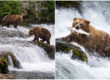
Salmon runs directly shape bear viewing Alaska visitors plan around. When salmon are present, bears gather in larger numbers and stay in visible areas for longer periods.
This leads to:
- Higher chances of sightings
- Longer viewing windows during the day
- More predictable bear movement
- Safer observation from established viewing areas
Understanding What to know before watching the bear season in Alaska? helps visitors align their travel dates with these natural feeding patterns.
Where Are Salmon Runs Best for Bear Viewing?
Some areas of Alaska are especially well known for bear activity during salmon runs due to geography and river systems.
Popular regions include:
- Coastal rivers and estuaries
- Lake-fed streams
- National parks with protected salmon habitats
Parks such as Katmai National Park and Preserve and Lake Clark National Park are widely recognised for their seasonal bear activity linked to salmon.
For a broader understanding of locations, reading Where is the best place to see brown bears in Alaska? provides helpful context.
Does Bear Diet Change Outside Salmon Season?
Yes. Once salmon runs slow or end, bears shift their focus to berries, roots, and other available foods. During these times:
- Bears may spread out over wider areas
- Sightings can become less predictable
- Bears spend more time foraging in vegetation
This is why timing plays such an important role in Alaska bear viewing trips.
Is It Legal and Safe to Watch Bears Feeding on Salmon?
Yes, when done responsibly. Alaska and U.S. federal laws strictly protect bears and their habitats. Visitors must observe bears from safe distances and follow park or guide regulations.
Important rules include:
- Never feeding or approaching bears
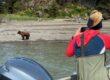
- Observing from designated areas or vessels
- Following guide and ranger instructions
Understanding How to Stay Safe While Viewing Bears in Alaska: Top Tips from Experts helps ensure both visitor safety and wildlife protection.
When Is the Best Time to See Bears Feeding on Salmon?
The most active salmon feeding typically occurs from mid-summer through early autumn. This period often overlaps with peak bear visibility.
Seasonal timing also connects closely with broader planning topics such as:
- Viewing Bears in Spring/Summer/Fall: Bears Across Seasons – Spring to Fall
- When to See Bears: A Seasonal Guide
These resources help travellers choose dates that match natural feeding cycles.
Conclusion: Understanding Nature Improves Bear Viewing Experiences
Knowing what bears eat and how salmon runs shape their behaviour adds real depth to any Alaska wildlife experience. Salmon runs are not just dramatic moments in nature; they are the foundation of successful bear viewing.
If you are considering guided experiences focused on ethical wildlife observation during peak feeding seasons, explore opportunities with Bear Viewing in Alaska.
Plan your journey at https://bearviewinginalaska.com/contact/