When people think about Alaska bears, hibernation is often one of the first things that comes to mind. A common question visitors ask is whether Kodiak bears hibernate longer than other bears in Alaska, or if all bears follow the same winter pattern.
The short answer is: sometimes, but not always. The length of hibernation depends on location, food availability, weather, and the individual bear rather than just the species.
Let’s break it down in a way that actually makes sense.
First, Do Kodiak Bears Truly Hibernate?
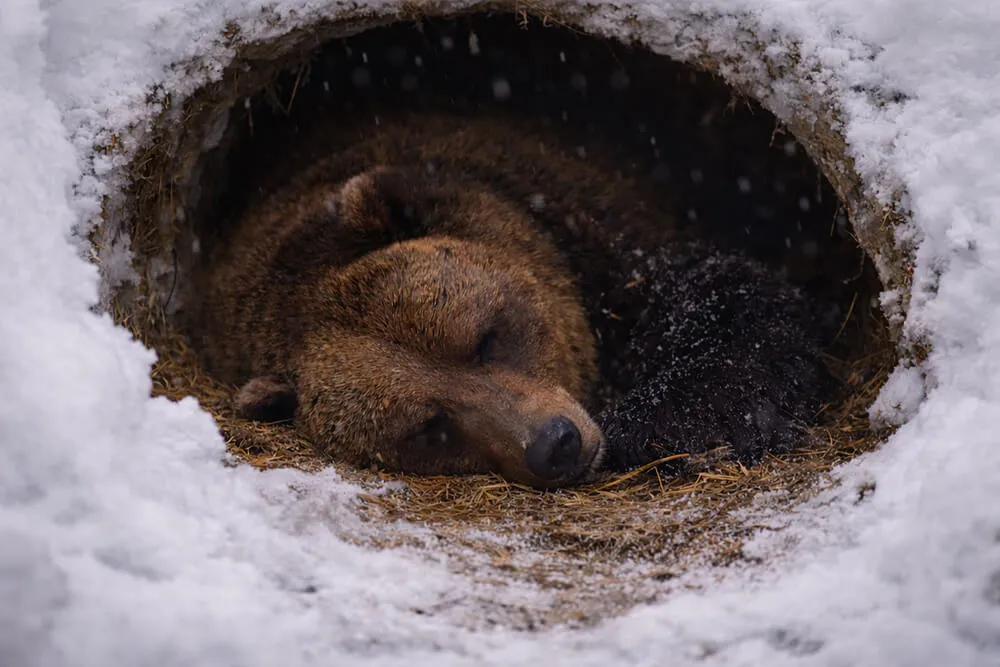
Technically, bears enter a state called denning, not deep hibernation. During this time, their heart rate slows, metabolism drops, and they survive off stored fat without eating, drinking, or eliminating waste.
Kodiak bears, like other brown bears in Alaska, rely heavily on fat reserves built up during late summer and fall. Once winter conditions set in, they retreat to dens, usually dug into hillsides or slopes.
Why Location Matters More Than Species
Kodiak bears live exclusively in the Kodiak Archipelago, which has a milder coastal climate compared to interior Alaska.
Because of this:
- Winters are generally shorter
- Snowpack can be lighter
- Temperatures fluctuate more
In contrast, grizzly bears living in interior or northern Alaska often face harsher winters that arrive earlier and last longer.
This means some mainland bears may actually den longer than Kodiak bears, depending on where they live.
If you want a clearer understanding of how Kodiak bears compare to grizzlies overall, this article explains the distinction well: What is the difference Between Kodiak and Grizzly Bear?
Typical Denning Timeline for Kodiak Bears
While timing can vary year to year, many Kodiak bears:
- Enter dens between late October and December
- Emerge between March and early May
Pregnant females usually enter dens earlier and emerge later, since cubs are born during winter while the mother is denned.
Adult males, on the other hand, often den later and emerge sooner, especially if food remains accessible longer into the fall.
Do Kodiak Bears Hibernate Longer Than Other Alaska Bears?
This is where the answer becomes nuanced.
Kodiak bears do not consistently hibernate longer than other Alaska bears. In fact:
- Coastal bears often den for shorter periods
- Interior grizzlies may den longer due to colder conditions
- Individual behavior varies based on body condition and food supply
So while Kodiak bears are massive animals, their hibernation length is shaped more by environment than by size.
If you’re still wondering how Kodiak bears fit into the broader brown bear family, this article helps clear up common confusion: Is a Kodiak bear a grizzly bear?
Food Availability Plays a Major Role
One reason Kodiak bears may den later or emerge earlier is food availability. The Kodiak region provides:
- Reliable salmon runs
- Coastal forage options
- Less competition for food
When bears enter winter with strong fat reserves, they can be more flexible with denning timing. This flexibility is less common in regions where food is scarce or winters are severe.
What This Means for Visitors Planning Bear Viewing
For travelers interested in Kodiak Bears Alaska, understanding denning patterns is important.
Kodiak bears are:
- Not active during deep winter
- Most visible from late spring through fall
- Influenced by yearly weather patterns
This is why Kodiak bears viewing trips and Kodiak bears tours are carefully timed to match active months, when bears are feeding and moving naturally.
Safety and behavior awareness also matter. This article addresses a common concern many visitors have: Are Kodiak bears friendly to humans in Alaska?
A Common Myth About Kodiak Bear Hibernation
A frequent misconception is that larger bears must hibernate longer. In reality, bigger bears don’t always den longer. What matters most is:
Why This Behavior Is Important for Conservation
Understanding return patterns helps wildlife managers protect key habitats and manage visitor access responsibly. When bears rely on specific seasonal areas, protecting those spaces becomes critical to long-term population health.
- Climate
- Food access
- Reproductive status
- Individual health
Kodiak bears thrive because their environment supports them year-round, even if winter still requires a long rest.
Conclusion: Seeing Kodiak Bears at the Right Time Matters
Kodiak bears don’t necessarily hibernate longer than other Alaska bears, but their denning habits are shaped by a unique coastal environment. Knowing when they are active helps visitors set realistic expectations and plan better experiences.
If witnessing Kodiak bears during their active season is on your Alaska list, Bear Viewing in Alaska shares helpful insights and trip planning resources to help you explore responsibly. Contact us today for booking Kodiak bears bear tours.